Dr Bramati PhD at IBCcare

Dr Bramati PhD, BSc (Hons) Ost Med, DO, ND is an experienced Osteopath & Naturopath and the only known specialist with a doctorate on clinical osteopathy in autistic children suffering from gastrointestinal dysfunction. She was awarded a PhD by The University of Westminster in conjunction with the British College of Osteopathic Medicine (BCOM) on the ‘Effectiveness of Visceral Osteopathic Treatment on Gastrointestinal Indicators and Behaviour Patterns in Autistic Children; Using Questionnaire and Biochemical Markers to Measure Outcomes’. The project was approved for collaboration with King’s College Hospital, London and endorsed by the National Autistic Society and sponsored by BCOM via a grant from the British Naturopathic and Osteopathic Association. She is committed to helping improve the quality of life and wellbeing of children on the spectrum using a non-invasive form of therapy – Visceral Osteopathy.

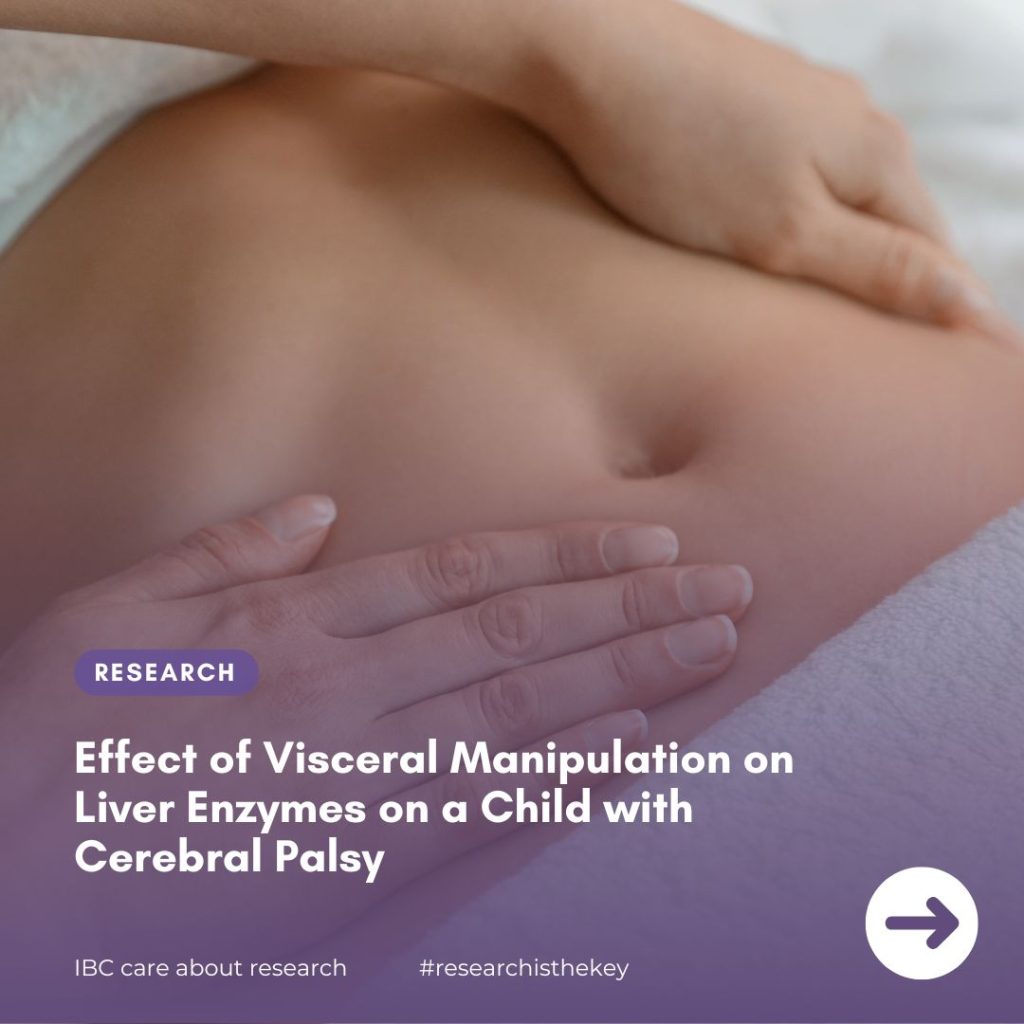
Research: Effect of Visceral Manipulation on Liver Enzymes on a Child with Cerebral Palsy

[vc_row][vc_column][vc_column_text] Effect of Visceral Manipulation on Liver Enzymes on a Child with Cerebral Palsy Background: Children with cerebral palsy often suffer from seizures so anticonvulsants drugs is a treatment choice and others using them as aprophylaxis if there is suspicion about Increasing possibility for having one and commonly those list of drugs have an impact […]

Research: Effect of Visceral Manipulation on Liver Enzymes on a Child with Cerebral Palsy Read More »

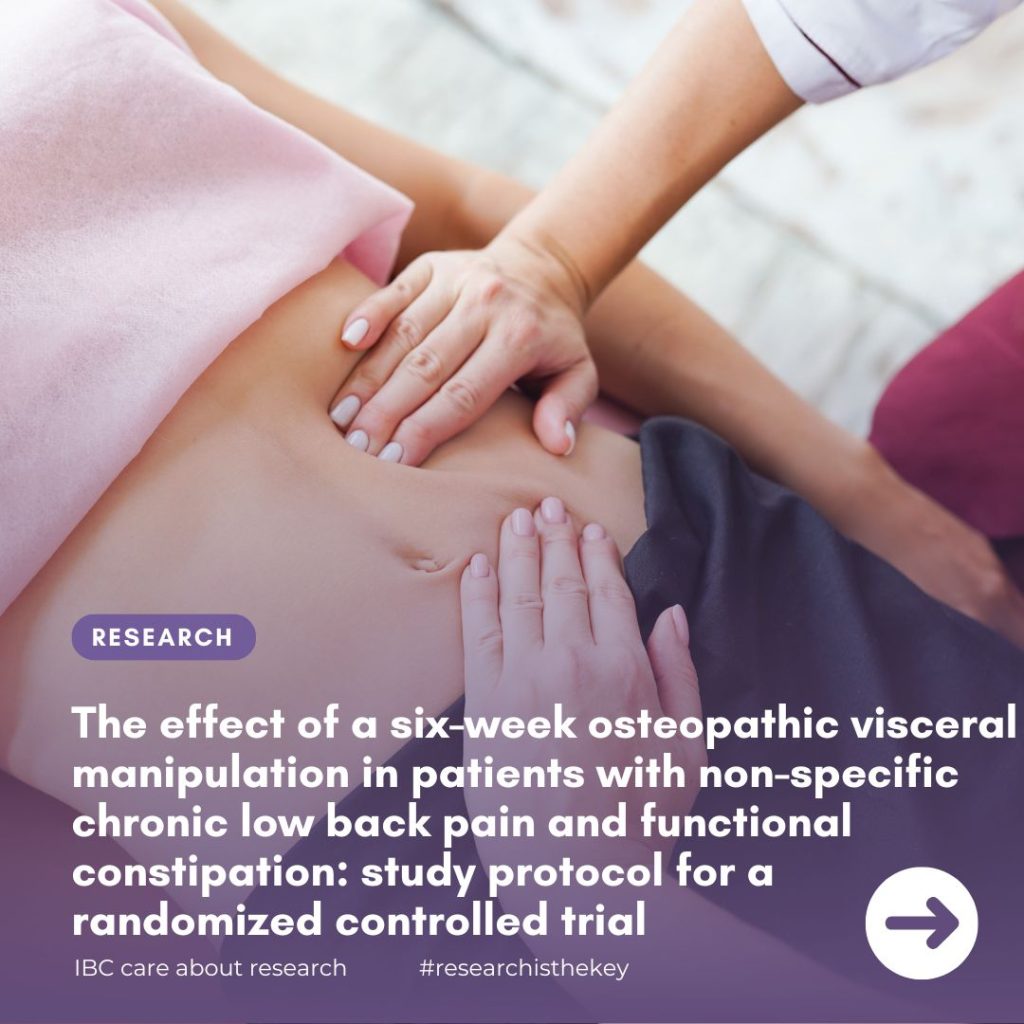
Research: The effect of a six-week osteopathic visceral manipulation in patients with non-specific chronic low back pain and functional constipation: study protocol for a randomized controlled trial

[vc_row][vc_column][vc_column_text] The effect of a six-week osteopathic visceral manipulation in patients with non-specific chronic low back pain and functional constipation: study protocol for a randomized controlled trial Background: The aim of the proposed study is to analyze the effect of a six-week osteopathic visceral manipulation (OVM) program on the flexion-relaxation phenomenon in individuals with non-specific

Research: The effect of a six-week osteopathic visceral manipulation in patients with non-specific chronic low back pain and functional constipation: study protocol for a randomized controlled trial Read More »

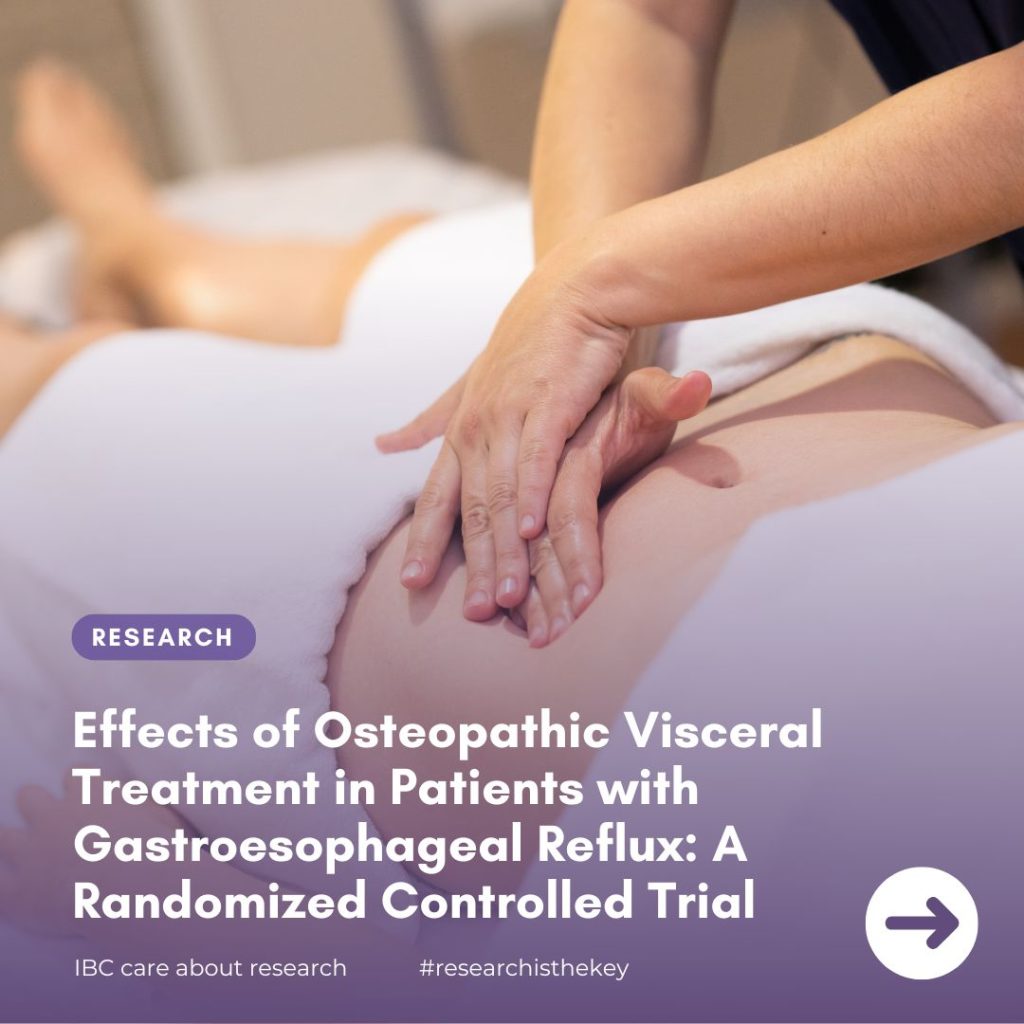
Research: Effects of Osteopathic Visceral Treatment in Patients with Gastroesophageal Reflux: A Randomized Controlled Trial

[vc_row][vc_column][vc_column_text] Effects of Osteopathic Visceral Treatment in Patients with Gastroesophageal Reflux: A Randomized Controlled Trial Results: The application of the osteopathic manual treatment in subjects with GERD produced a significant improvement in symptoms one week after the intervention (p = 0.005) with a between-groups difference of 1.49 points in GerdQ score (95% CI: 0.47-2.49). PPT

Research: Effects of Osteopathic Visceral Treatment in Patients with Gastroesophageal Reflux: A Randomized Controlled Trial Read More »

Research: Intestinal Barrier Dysfunction and Microbiota–Gut–Brain Axis: Possible Implications in the Pathogenesis and Treatment of Autism Spectrum Disorder

[vc_row][vc_column][vc_column_text] Intestinal Barrier Dysfunction and Microbiota–Gut–Brain Axis: Possible Implications in the Pathogenesis and Treatment of Autism Spectrum Disorder Abstract Autism spectrum disorder (ASD) is a complex neurodevelopmental disorder with multifactorial etiology, characterized by impairment in two main functional areas: (1) communication and social interactions, and (2) skills, interests and activities. ASD patients often suffer from

Research: Intestinal Barrier Dysfunction and Microbiota–Gut–Brain Axis: Possible Implications in the Pathogenesis and Treatment of Autism Spectrum Disorder Read More »

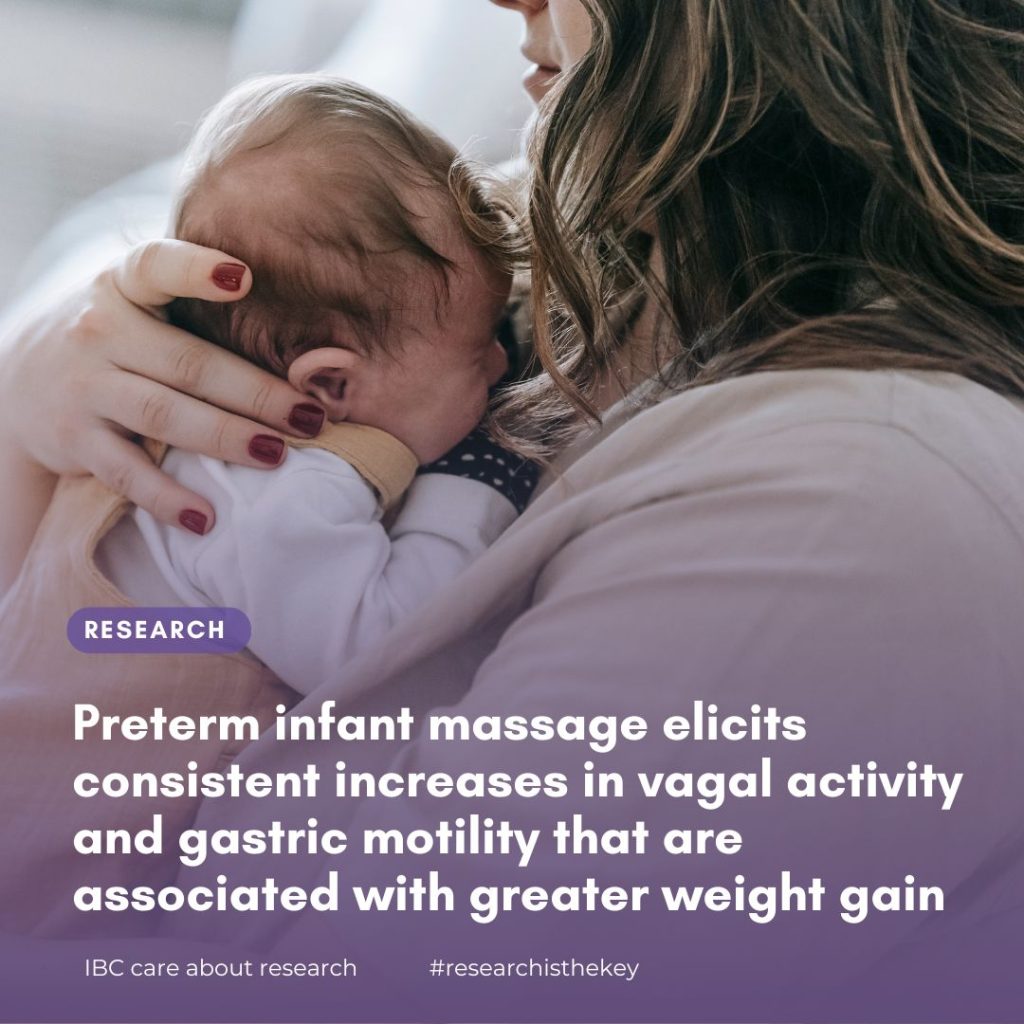
Research: Preterm infant massage elicits consistent increases in vagal activity and gastric motility that are associated with greater weight gain

[vc_row][vc_column][vc_column_text] Preterm infant massage elicits consistent increases in vagal activity and gastric motility that are associated with greater weight gain Abstract Aim: To determine whether preterm infant massage leads to consistent increases in vagal activity and gastric motility and whether these increases are associated with greater weight gain. Methods: EKG and EGG were recorded in

Research: Preterm infant massage elicits consistent increases in vagal activity and gastric motility that are associated with greater weight gain Read More »

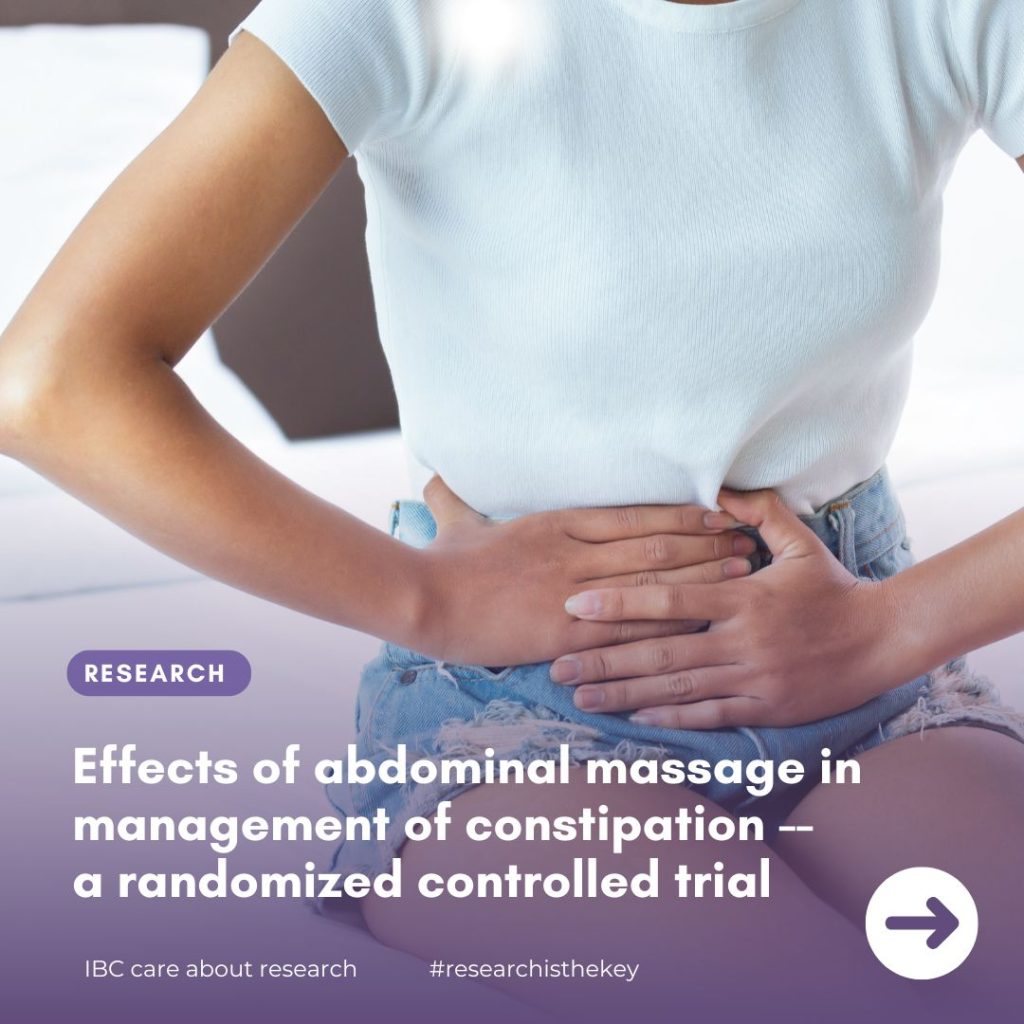
Research: Effects of abdominal massage in management of constipation–a randomized controlled trial

[vc_row][vc_column][vc_column_text] Effects of abdominal massage in management of constipation–a randomized controlled trial Abstract Background: Associated with decreases in quality of life, constipation is a relatively common problem. Abdominal massage appears to increase bowel function, but unlike laxatives with no negative side effects. Because earlier studies have methodological flaws and cannot provide recommendations, more research is

Research: Effects of abdominal massage in management of constipation–a randomized controlled trial Read More »

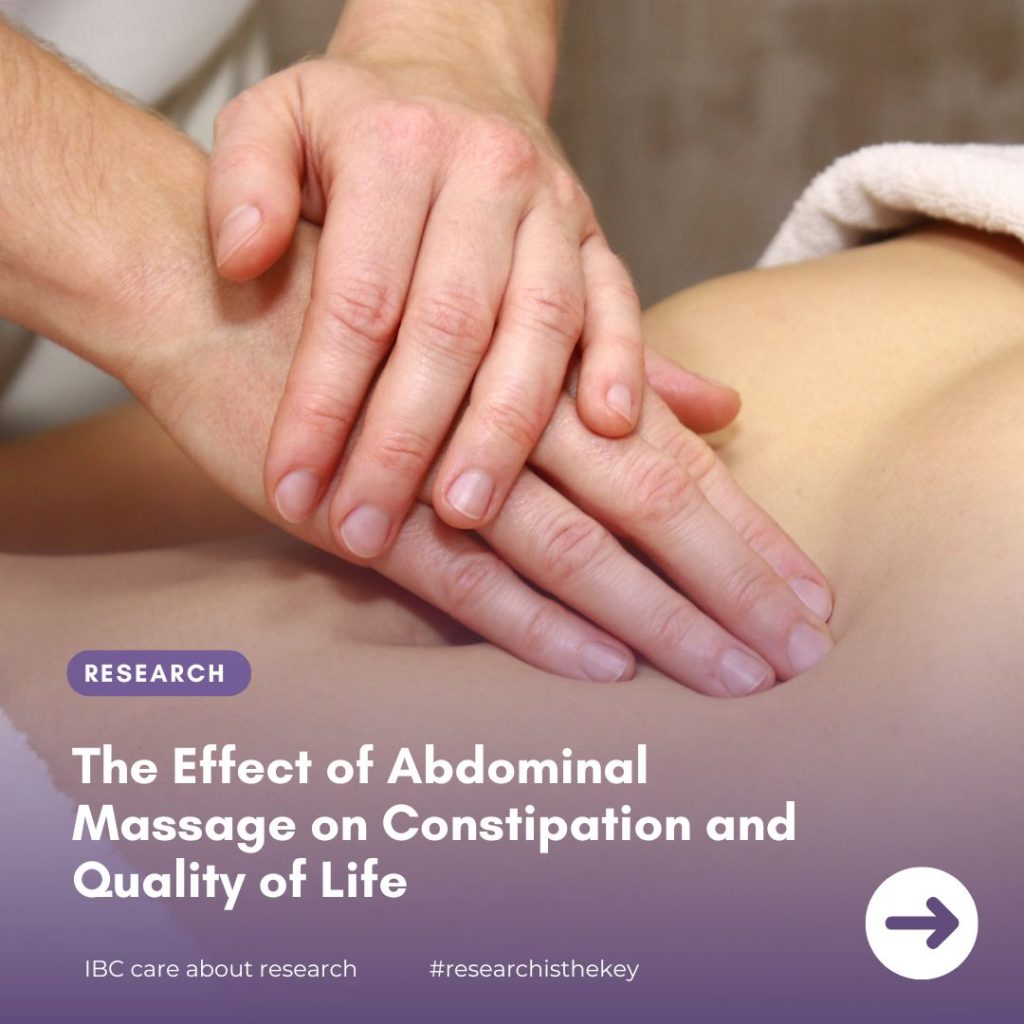
Research: The Effect of Abdominal Massage on Constipation and Quality of Life

[vc_row][vc_column][vc_column_text] The Effect of Abdominal Massage on Constipation and Quality of Life This study was a randomized controlled trial aimed to find the impact of abdominal massage application on constipation and quality of life among patients. The sample included 30 intervention (abdominal massage) and 30 control subjects. To collect data, the following were utilized: Patient

Research: The Effect of Abdominal Massage on Constipation and Quality of Life Read More »

Research: Abdominal massage in the management of chronic constipation for children with disability

[vc_row][vc_column][vc_column_text] Abdominal massage in the management of chronic constipation for children with disability Abstract A service development initiative was conducted to assess the impact of abdominal massage on chronic constipation in children with physical disabilities and learning needs. Twenty-five parents engaged in an abdominal massage training programme led by a specialist health visiting team (children’s

Research: Abdominal massage in the management of chronic constipation for children with disability Read More »

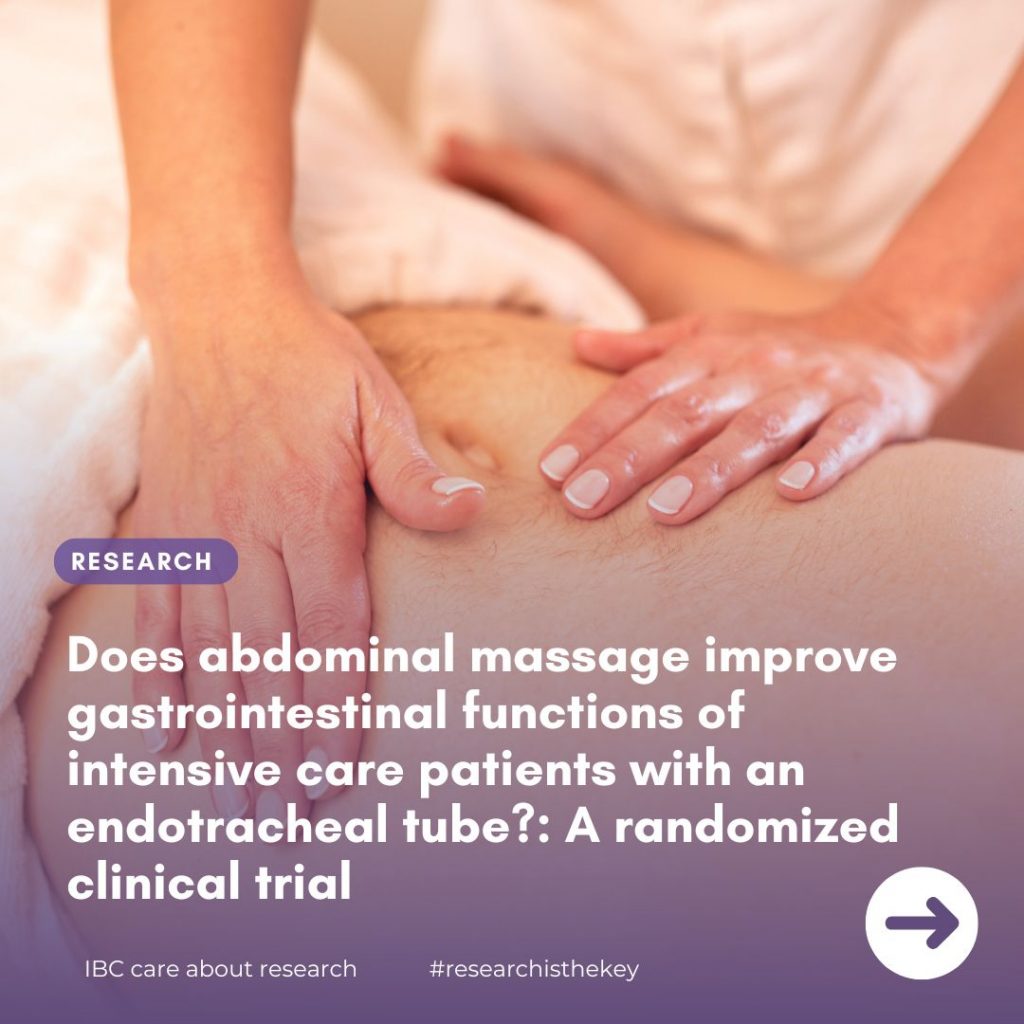
Research: Does abdominal massage improve gastrointestinal functions of intensive care patients with an endotracheal tube?: A randomized clinical trial

[vc_row][vc_column][vc_column_text] Does abdominal massage improve gastrointestinal functions of intensive care patients with an endotracheal tube?: A randomized clinical trial. Abstract Introduction: Gastrointestinal dysfunction is one of the most common problems among patients hospitalized in intensive care units. Currently, medicinal and non-medicinal methods are being used to prevent gastrointestinal problems. Among non-medicinal methods, abdominal massage is

Research: Does abdominal massage improve gastrointestinal functions of intensive care patients with an endotracheal tube?: A randomized clinical trial Read More »

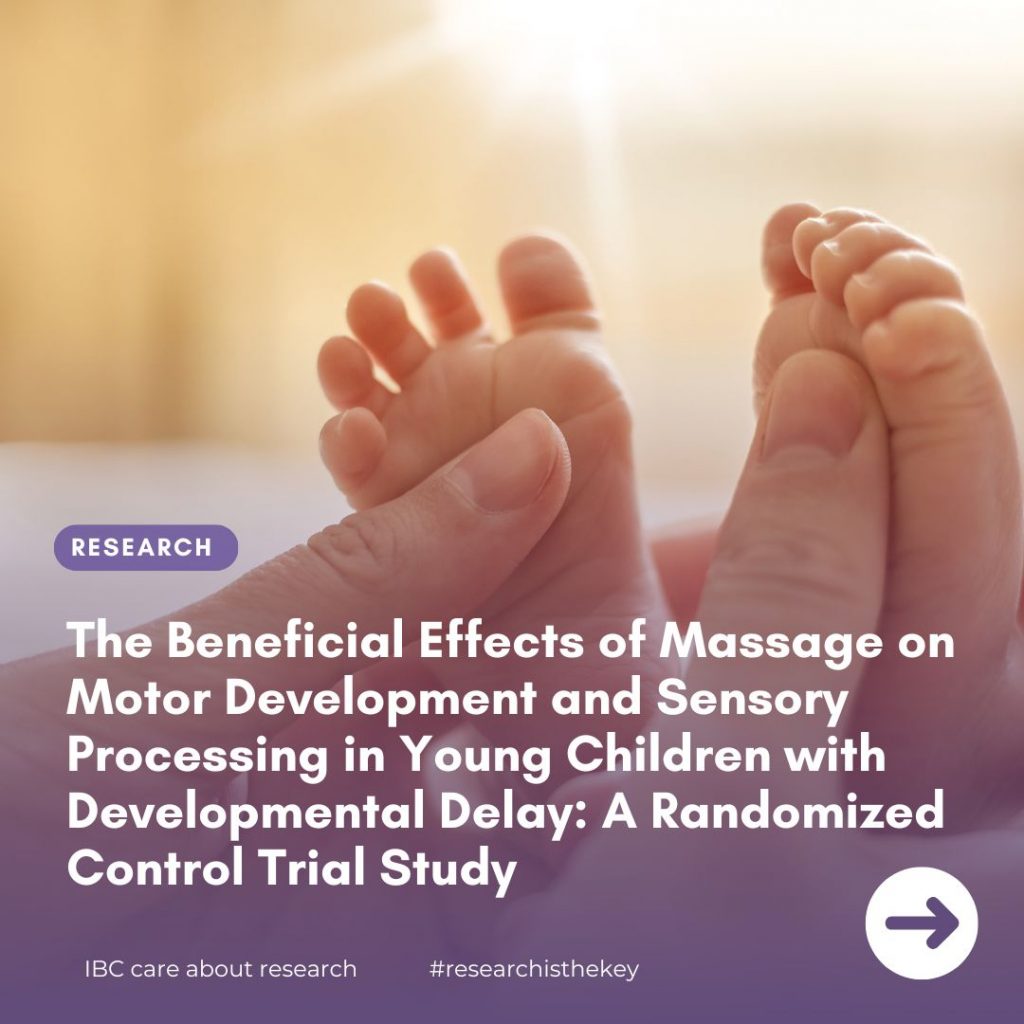
Research: The Beneficial Effects of Massage on Motor Development and Sensory Processing in Young Children with Developmental Delay: A Randomized Control Trial Study

[vc_row][vc_column][vc_column_text] The Beneficial Effects of Massage on Motor Development and Sensory Processing in Young Children with Developmental Delay: A Randomized Control Trial Study. Abstract Purpose: We investigated the effects of massage on young children with developmental delay but no clear diagnosis (e.g., cerebral palsy, genetic diseases, or autism). Methods: Thirty-six children with DD, at 1-3

Research: The Beneficial Effects of Massage on Motor Development and Sensory Processing in Young Children with Developmental Delay: A Randomized Control Trial Study Read More »